Emergency Arborist Support
24/7 emergency tree services and urgent arborist consultation
Emergency Services Include
- • Emergency Arborist Support Service
- • Emergency Permit Applications
- • Tree Damage Evaluation
- • Emergency Tree Protection Plans
- • Same Day Site Visits
Why Choose Emergency Support
- • Avoid NYCDPR Fines Up to $15,000
- • Keep Your Project on Schedule
- • Expert Guidance on Permits
- • Fast Response When Needed
Emergency Contact Information
Emergency Hotline: (650) 822-6253
Available 24/7 for consultation
⚠️ The Emergency Utility Work Mistake That Costs $15,000+
Emergency plumbing, water, or utility repairs near city trees can trigger massive fines if not handled properly
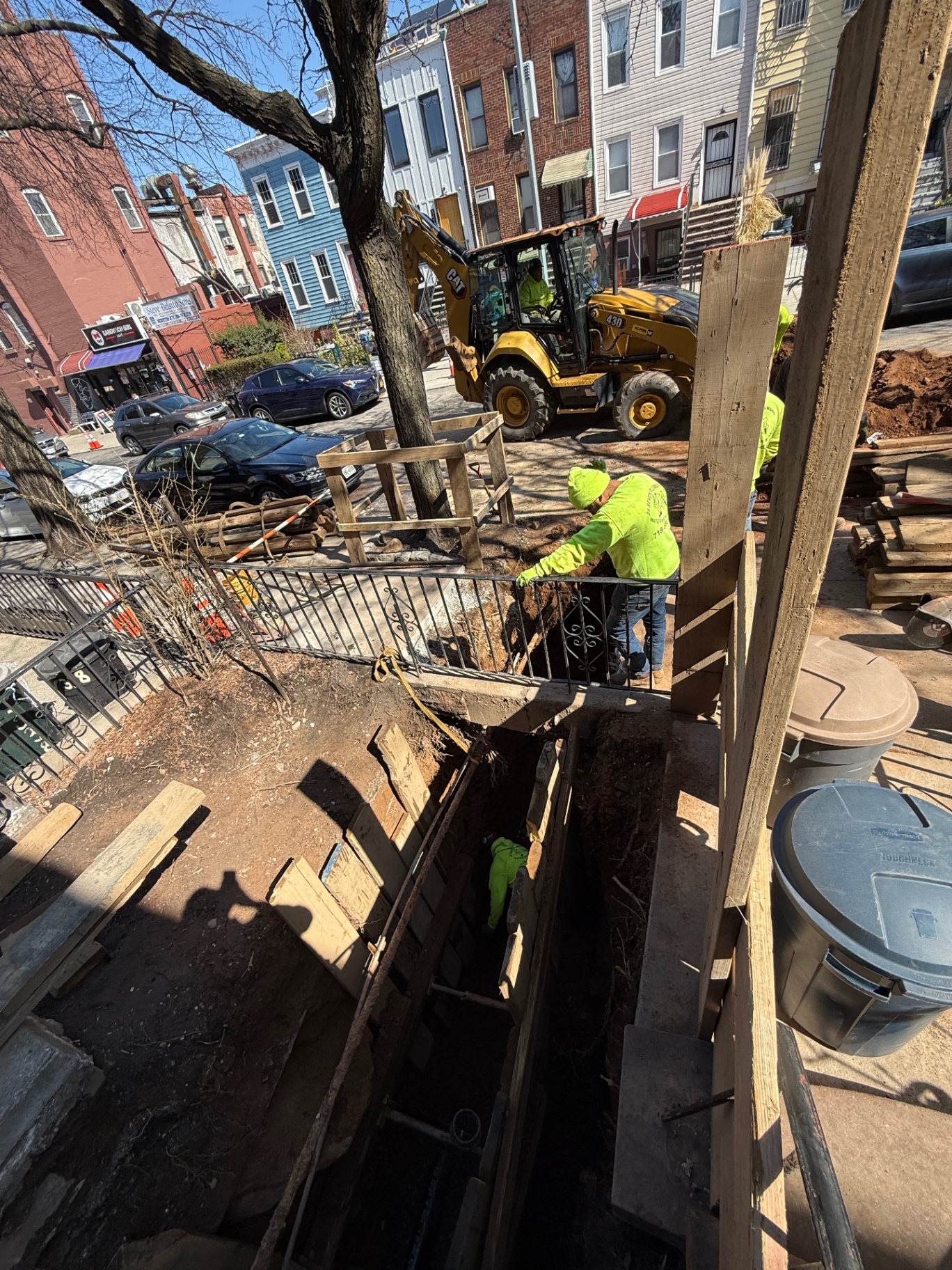
The Emergency Utility Trap
How emergency repairs often lead to tree violations
What Happens:
- • Emergency call for water main or sewer issue
- • Excavation begins immediately without permits
- • Tree roots are cut without proper permits
- • NYCDPR issues $15,000+ fine per tree
- • Project faces stop-work orders
Prevention:
- • Let us know before you dig
- • Get emergency NYCDPR permits
- • Use pneumatic air excavation methods
- • Document all root exposure
- • Follow root protection protocols
- • Hire arborist to observe excavation
Water Main Jobs
Emergency water main repairs often damage tree roots
Sewer Line Work
Sewer repairs frequently encounter tree root systems
Gas Line Work
Gas line repairs require careful tree consideration
Electrical Line Work
Underground electrical work can impact trees
🚫 What NOT To Do During Emergency Utility Work
Unpermitted root cutting leads to major fines and project delays
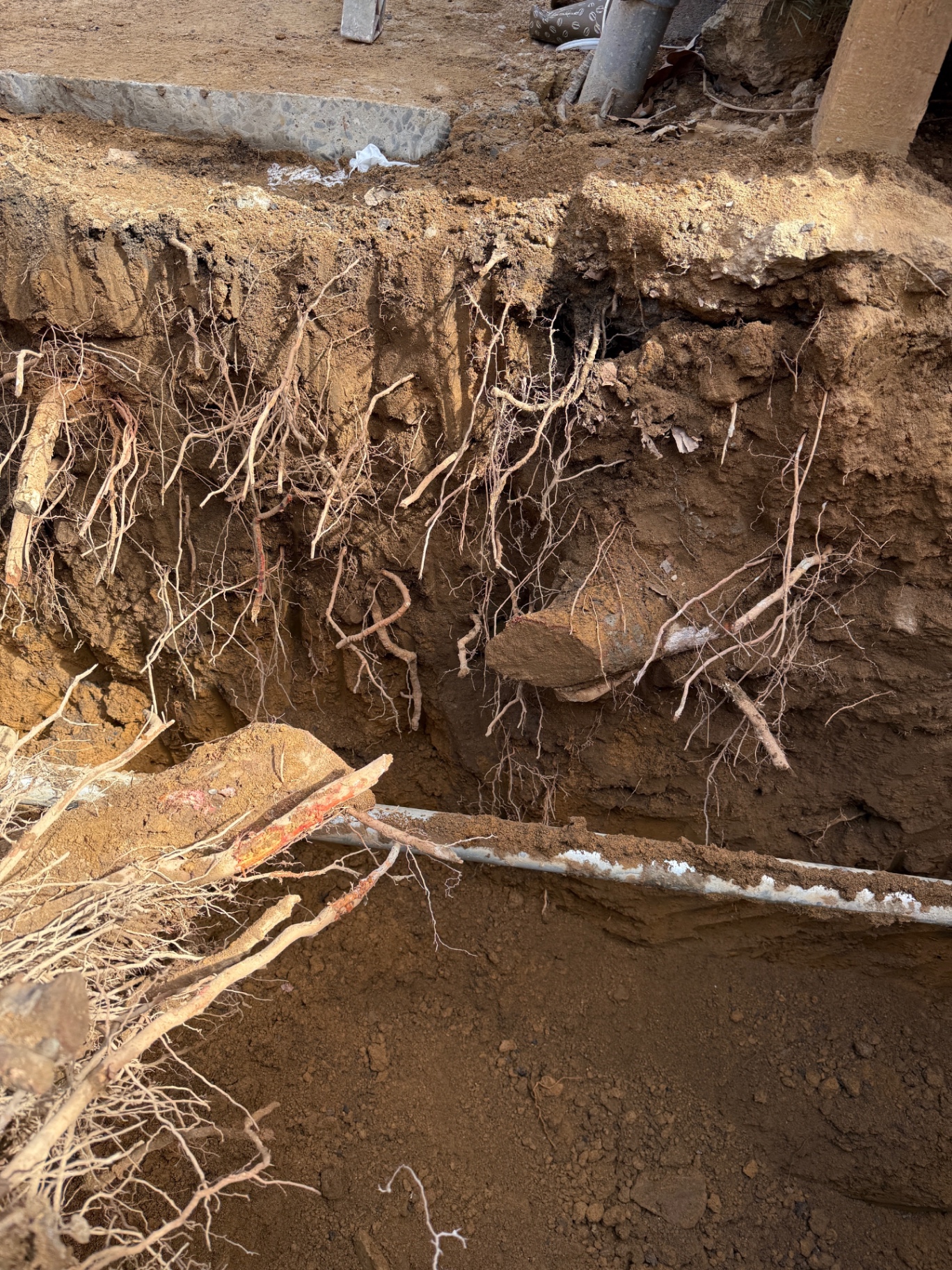
Critical Violations In This Image
All violations could have been prevented with arborist oversight
Violations Visible:
- • Major root cutting without permits
- • Improper excavation techniques
- • No arborist present during excavation
- • Extensive root system damage
- • No root protection measures
Potential Consequences:
- • $15,000+ fine per tree affected
- • Stop-work orders issued
- • Tree mortality and replacement costs
- • Project delays and legal issues
- • Additional permit requirements
How To Prevent This:
- • Contact certified arborist before digging
- • Use pneumatic air excavation methods
- • Get proper NYCDPR permits
- • Have arborist monitor excavation
- • Follow root protection protocols
Don't Let This Happen To Your Project
Call our emergency hotline before any excavation near trees
⚠️ The DOT Sidewalk Installation Trap
Having a DOT permit does NOT mean you can cut tree roots
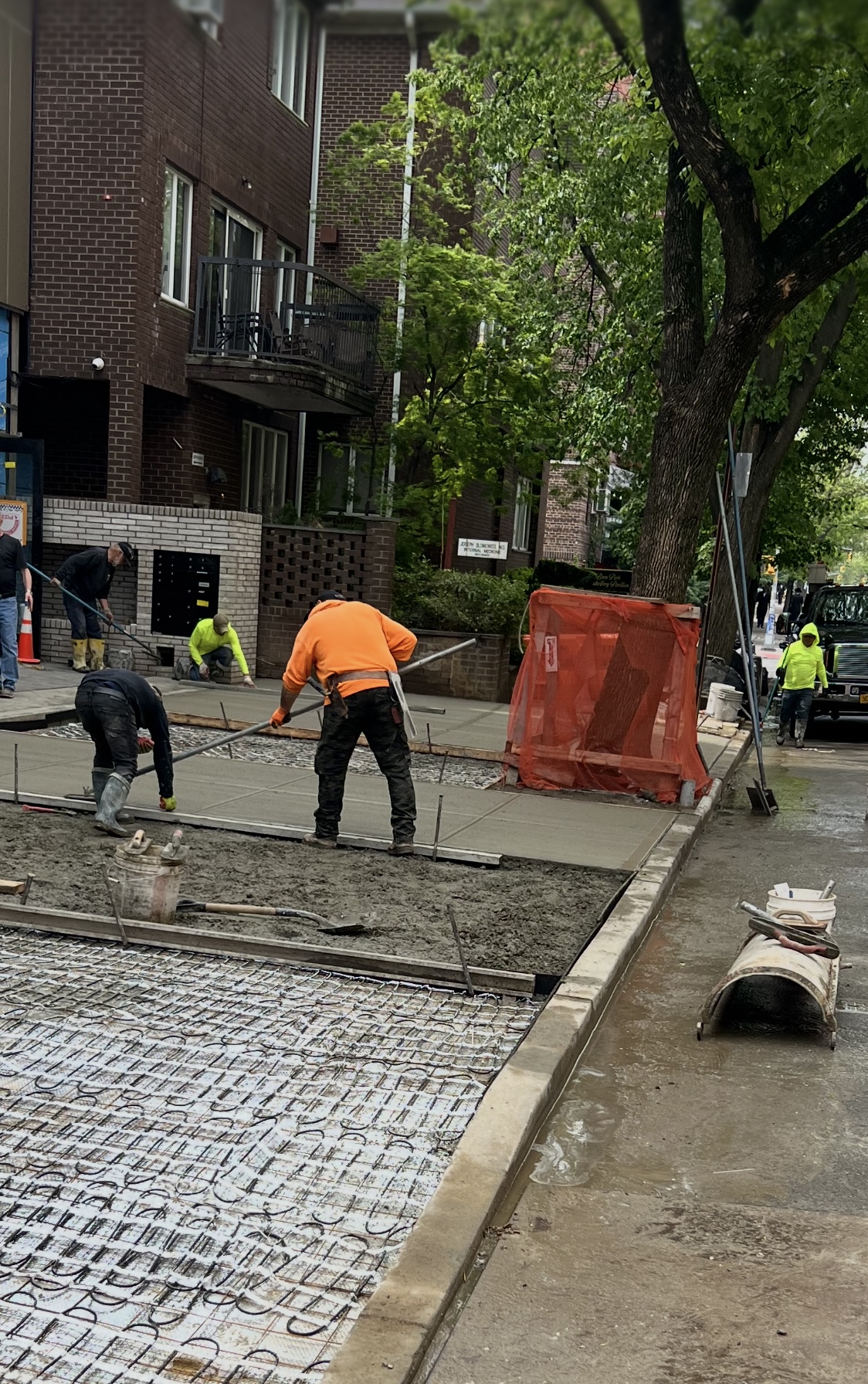
The DOT Permit Misconception
Developers often assume DOT approval covers tree work - it does not
What Goes Wrong:
- • DOT issues sidewalk installation permit
- • Project manager assumes all work is covered
- • Contractors begin without NYCDPR permits
- • Tree roots cut during sidewalk work
- • NYCDPR issues $50,000+ in fines
- • Project faces stop-work orders and delays
Required Actions:
- • Obtain separate NYCDPR permit
- • Hire certified arborist to supervise
- • Use hand digging or pneumatic methods
- • Document all root encounters
- • Submit post-work compliance reports
Critical Knowledge for Project Managers
DOT Permit Covers:
- • Sidewalk design approval
- • Street access permissions
- • Traffic management requirements
- • Curb cut authorizations
NYCDPR permits are required for:
- • Any excavation within 50 feet of NYCDPR trees
- • Root protection and root cutting protocols
- • Certified arborist supervision requirements
- • Tree damage prevention measures
Tree roots often extend well beyond the canopy, so work that looks far from a tree can still damage it.