New Construction & Alterations Tree Compliance
Complete guide for project managers on NYC tree requirements for new construction, Alt 1, and Alt 2 projects
NYC Department of Buildings (DOB) Plan Submissions
Why This Matters for All Construction Projects
Every new building permit application (including NB and Alt-1 projects) must include a completed ST-1 form as part of the DOB submission package. This requirement applies citywide, regardless of zoning.
- • Indicate on your plans the number of existing street trees, removals, new plantings, or tree fund payments.
- • Submit a Parks Department–approved site plan or an ST-1 sign-off before DOB will issue permits.
5-Step Compliance Process For New Constructions
Follow this process to avoid costly mistakes and ensure full compliance
Initial Plan Review
Submit your construction plans to the NYCDPR for review of all tree-related compliance requirements for your new construction
Required Actions::
- Identify all existing trees on and adjacent to your property
- Determine which trees are protected street trees or significant private trees
- Calculate new tree planting requirements based on zoning
- Submit plans to Parks Department for initial review
Timeline::
2-4 weeks for plan review response
Obtain Required Permits
Secure all necessary permits BEFORE beginning construction
Required Actions::
- NYCDPR Tree Removal Permits (if removing protected trees)
- NYCDPR Excavation Permits for work within Critical Root Zones (within 50 feet)
- DOT Sidewalk Permits (does NOT cover tree work)
- NYCDPR Excavation Permits for sidewalk installation (SEPARATE from DOT permits)
- NYCDPR Tree Protection Permits for construction near trees
- Arborist supervision requirement for excavation within 50 feet of trees
Timeline::
3-6 weeks total permit processing time
Construction Phase Compliance
Follow all tree protection requirements during construction
Required Actions::
- Install required tree protection barriers
- Maintain Critical Root Zone restrictions
- Coordinate with arborist for any unexpected tree issues
- Document compliance with photos and reports
Timeline::
Ongoing throughout construction
Tree Planting or Fund Payment
Fulfill new tree requirements before final inspections - Planting trees yourself saves approximately 40-45% compared to paying into the tree fund
Required Actions::
- Plant required new trees with NYCDPR-approved species (SAVES 40-45% vs tree fund)
- Professional tree planting service includes permits, installation, and compliance
- OR pay into NYC Parks Tree Fund (higher cost option - borough-specific rates)
- Submit planting documentation or payment receipts
- Schedule final NYCDPR inspection
Timeline::
Must be completed before final sign-off
Final Sign-Off
Obtain all required approvals to complete your project
Required Actions::
- NYCDPR final inspection and approval
- DOB Certificate of Occupancy (if applicable)
- All tree-related compliance documentation
- Project completion certification
Timeline::
2-3 weeks for final approvals
We collaborate with project managers, architects, and expeditors to ensure every stage of the process runs smoothly and successfully
2 Common Mistakes Made by Project Managers
These costly oversights can derail your project timeline and budget
1. The Sidewalk Trap
Assuming DOT sidewalk permits cover excavation near trees
2. The Utility Trap
Emergency utility work without considering tree root protection
⚠️ DOT Sidewalk Installation: A Hidden $50,000+ Trap
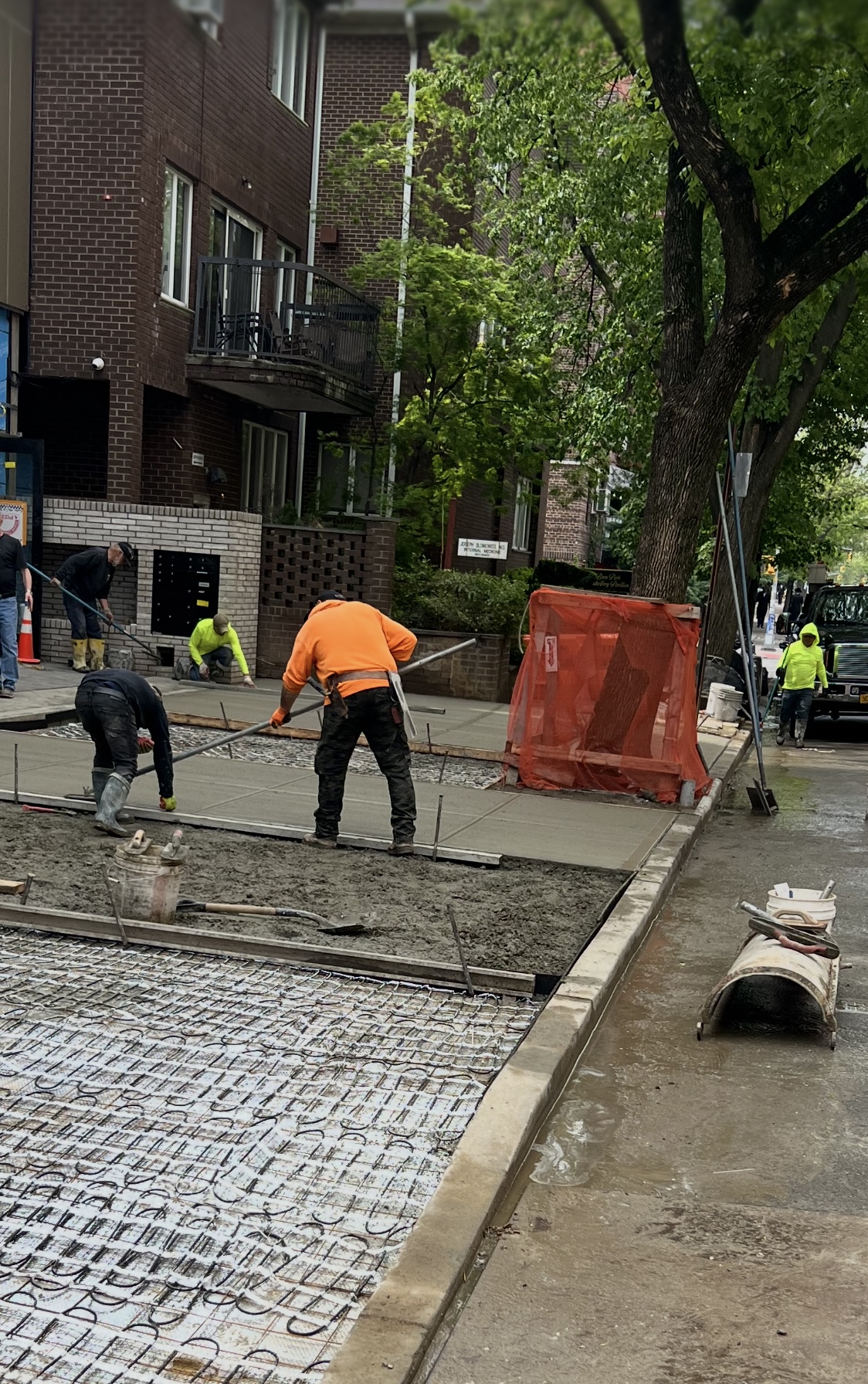
The DOT Sidewalk Permit Misconception
Many developers and project managers assume DOT sidewalk permits cover all sidewalk work, including excavation near trees
What Goes Wrong:
- • DOT issues sidewalk installation permit
- • Project manager assumes all permits are covered
- • Contractors begin excavation without NYCDPR permits
- • Tree roots are cut during sidewalk work
- • NYCDPR issues $50,000+ in fines and restitution
- • Project faces stop-work orders and delays
Required Actions:
- • Obtain SEPARATE NYCDPR excavation permit
- • Hire certified arborist to supervise excavation
- • Use hand digging or pneumatic excavation near roots
- • Document all root encounters and protection measures
- • Submit post-work compliance reports to NYCDPR
Critical Knowledge for Project Managers
DOT Permit Covers:
- • Sidewalk design approval
- • Street access permissions
- • Traffic management requirements
- • Curb cut authorizations
NYCDPR Permit Required For:
- • ANY excavation within 50 feet of curbside trees
- • Root protection and cutting protocols
- • Arborist supervision requirements
- • Tree damage prevention measures
Remember: Tree roots often extend 3-5 times the width of the tree canopy. Even sidewalk work that appears "far" from trees can damage critical root systems.
⚠️ Emergency Utility Work: A Common $15,000+ Mistake
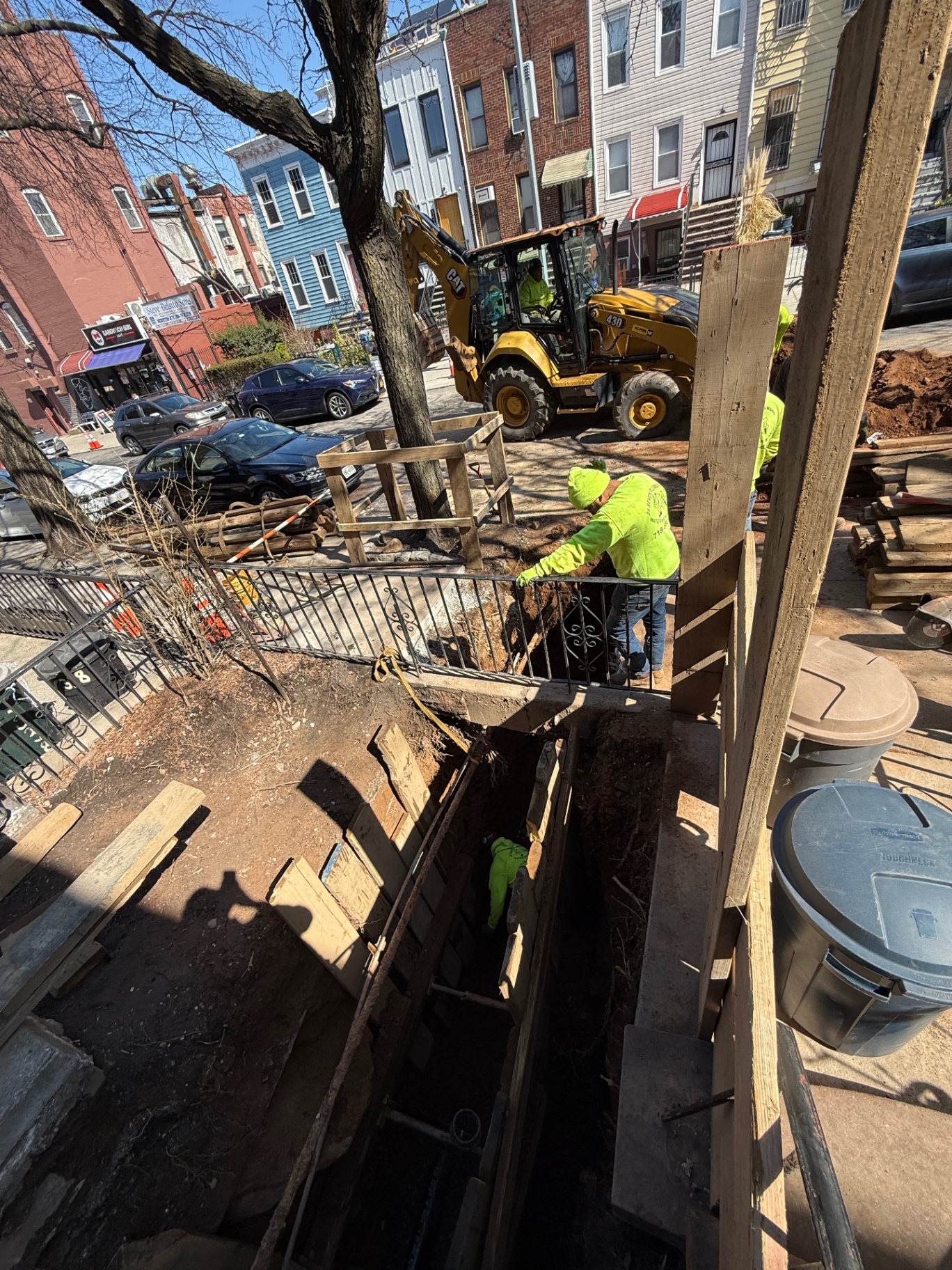
The Emergency Utility Trap
What happens when excavation begins without proper tree protection permits
Example: What happens
- Emergency call for water main or sewer issue
- Excavation begins immediately without permits
- Tree roots are cut for access
- NYCDPR issues fine
- Project faces stop-work orders
Prevention:
- Contact before excavation
- • Retain onsite arborist services during excavation
- • Get emergency NYCDPR permits when needed
- • Use pneumatic air excavation or hand digging with a shovel
- • Document all root exposure and protection measures
- • Follow proper root protection protocols
Water Main / Sewer Line Work
Emergency water main repairs often require excavation in tree root zones. Even emergency work requires NYCDPR permits when cutting tree roots.
Gas Line Work
Gas line installations and repairs require excavation that can damage tree roots. Proper arborist oversight prevents costly violations.
Electrical Line Work
Electrical line installations, underground cable work, and transformer installations often require trenching near trees. Root cutting without permits leads to significant fines.
Don't Let Emergency Work Become an Emergency Fine
Emergency permits may be required, adding significant delays and costs
What Happens When You Remove NYCDPR Trees Without Permits
Real example of a $490,000 restitution fee for unauthorized NYCDPR curbside tree removals
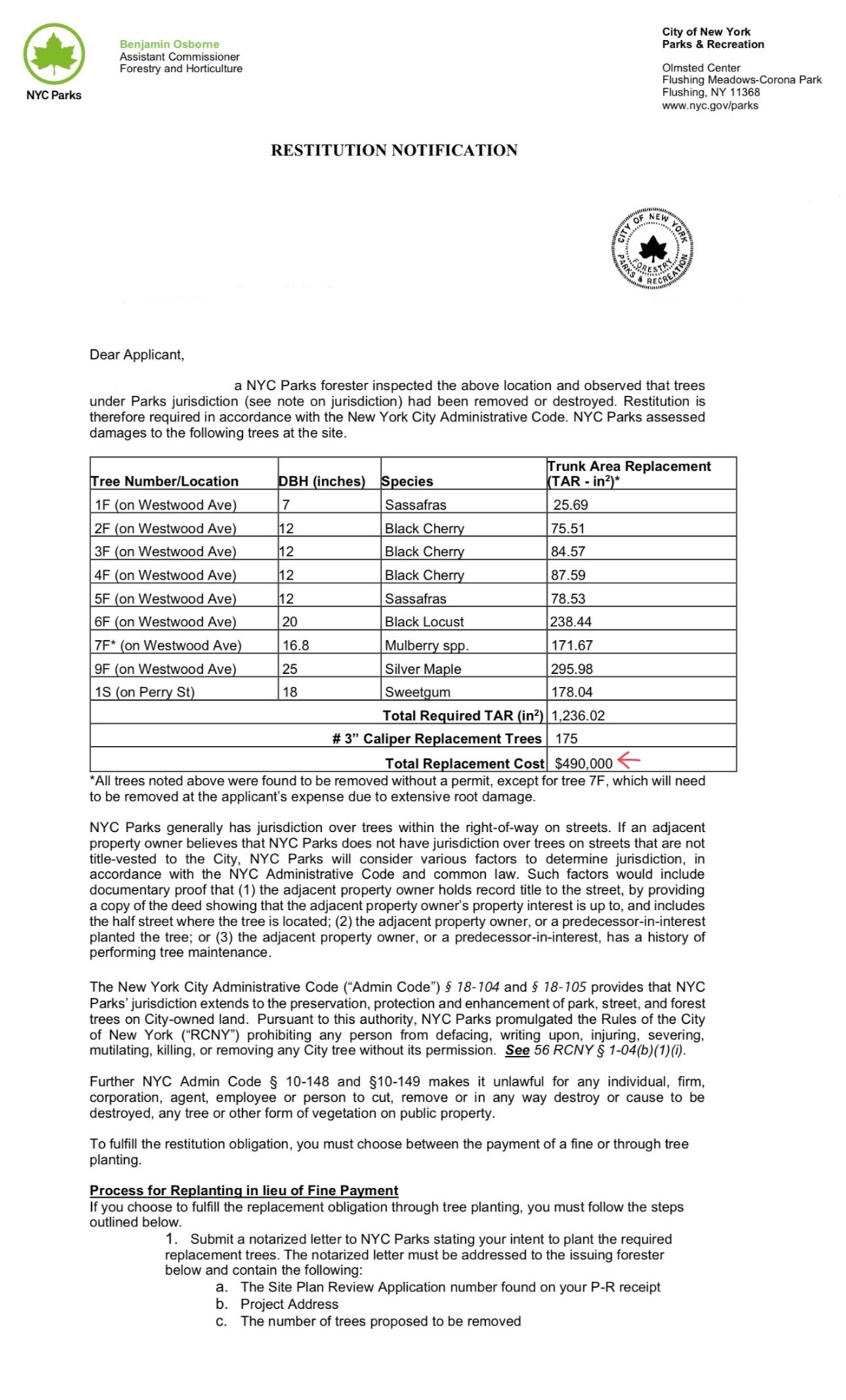
The True Cost of Non-Compliance
This actual NYCDPR restitution notice shows the devastating financial impact of removing protected trees without permits
What happened ?
- • 8 trees removed without permits
- • Total restitution: $490,000
- • Individual tree costs: $25,690 - $295,980 each
Why Costs Are So High - The TAR Algorithm:
- • TAR (Trunk Area Replacement) formula: π × (DBH/2)²
- • DBH = Diameter at Breast Height (4.5 feet above ground)
- • Example: 20" DBH tree = 314 square inches TAR
- • Larger trees = exponentially higher replacement costs
- • 25" Silver Maple = 296 square inches = $295,980 restitution
- • Species rarity and environmental value multipliers
- • Administrative and legal processing fees
Key Insight: A tree's restitution cost grows by the square of its diameter. A 20" tree costs 4x more than a 10" tree, not 2x more.
How to Avoid This:
- • Get proper permits BEFORE any tree work
- • Hire certified arborists for assessments
- • Document all tree protection measures
- • Work with NYCDPR from project start
- • Plan for tree requirements in your budget
NYCDPR Tree Fund Cost Per Tree
The NYCDPR mandates that property owners must either pay into the tree fund or plant trees to meet new construction requirements.
Manhattan
per tree required
Brooklyn
per tree required
Queens
per tree required
Bronx
per tree required
Staten Island
per tree required
Tree Fund–Refundable Deposit Alternative
Recommended: Tree Planting (Saves 40-45% of Tree Fund Cost)
NYCDPR gives you the option to plant trees instead of paying into the tree fund.
Which Properties Must Plant Trees or Pay Tree Fund?
25-Foot Linear Rule (Primary Requirement)
Properties with 25 linear feet or more of street frontage are required to either:
- • Plant required number of street trees, OR
- • Pay into the NYC Tree Fund
Tree Planting Requirements by Frontage
- • 25-49 linear feet: 1 tree required
- • 50-74 linear feet: 2 trees required
- • 75-99 linear feet: 3 trees required
- • 100+ linear feet: 1 tree per 25-foot increment
⚠️ Important Notes
- • Applies to all zoning districts citywide
- • Requirements apply to NB (New Building) and Alt-1 projects
- • Properties under 25 linear feet are typically exempt from tree requirements
- • Corner lots: frontage calculated on all street-facing sides
- • Tree fund payment is per required tree (see costs above)
Why Choose Professional Planting:
- Costs 40-45% less than tree fund payments
- Obtain NYCDPR signoff
- Professional species selection and placement
- Full NYCDPR compliance and approvals
- Establishment care and warranty included
Our Services Include:
- Site assessment and species recommendation
- All permit applications and approvals
- Professional tree installation
- NYCDPR inspection coordination
- One-year establishment guarantee
Alt 1 & Alt 2 Projects: Special Considerations
Alteration projects often have unique tree compliance requirements that differ from new construction
Alt 1 Projects (Alteration Type 1)
Minor alterations and renovations with limited tree impact
Typical Alt 1 Work:
- • Interior renovations
- • Window replacements
- • Minor facade work
- • Small additions under 20% of existing floor area
Tree Requirements:
Usually minimal tree requirements unless work affects Critical Root Zones or requires tree removal
Alt 2 Projects (Alteration Type 2)
Major alterations with significant potential tree impact
Typical Alt 2 Work:
- • Major additions (20%+ of existing floor area)
- • Substantial facade changes
- • Foundation work and excavation
- • Significant structural modifications
Tree Requirements:
Often trigger full new construction tree requirements including NYCDPR permits, tree protection plans, and potential planting obligations
Key Differences for Alt 1 & Alt 2 Projects
Permit Requirements
Alt 1: Usually only DOB permits required
Alt 2: May require NYCDPR permits if affecting trees
Tree Assessment
Alt 1: Basic site evaluation sufficient
Alt 2: Comprehensive tree inventory often required
Compliance Timeline
Alt 1: Typically 2-4 weeks
Alt 2: Often 6-12 weeks for full compliance
⚠️ Don't Assume Alt 1 = No Tree Requirements
Even Alt 1 projects can trigger tree requirements if they involve excavation within Critical Root Zones, tree removal, or work in preserved districts. Always consult with a certified arborist early in the planning process.
Avoid These Costly Mistakes
Early Planning is Essential
Involve a certified arborist early in the planning phase to avoid costly redesigns and violations.
Potential Consequences:
Project delays, stop-work orders, and significant fines
Prevention Strategy:
Start permit applications 2 months before planned construction start
Special Districts: DOB & City Planning Requirements
Additional approvals required for construction in NYC preserved historic districts and special areas
Critical Requirement for Special Districts
If your construction project is located in a preserved historic district or special purpose district, you need BOTH NYCDPR permits AND Department of Buildings (DOB) approval for any tree work.
Historic Districts:
Greenwich Village, SoHo, Park Slope, Brooklyn Heights, and many others
Scenic Landmarks:
Areas near Central Park, Prospect Park, High Line, waterfront parks
Special Districts:
SNAD, Enhanced Commercial, Transit Districts, and others
What This Means for Your Project:
- • Additional 4-6 weeks for DOB approval process
- • Certified arborist reports required for DOB submission
- • Higher documentation standards
- • Potential design modifications to preserve historic character
- • Violation dismissal forms required after work completion
How We Help Navigate This:
- • District status verification for your property
- • Professional arborist reports meeting DOB standards
- • DOB application preparation and submission
- • Coordination between NYCDPR and DOB processes
- • Full compliance management from start to finish
Already Failed Your NYCDPR Inspection ?
Don't panic. We can help you get back on track and resolve violations quickly
What to Do After a Failed Tree Inspection
Failed inspections are often due to missing permits, inadequate documentation, or incomplete compliance. Here's how we fix it.
Common Reasons for Failed Inspections:
- • Inadequate tree protection measures during construction
- • Incomplete arborist reports or supervision records
- • Failure to plant required new trees or pay tree fund
- • Missing post-construction compliance documentation
- • Work performed without certified arborist supervision
- • Pruning without a permit, which usually requires a corrective pruning permit
- • Tree pits containing construction debris
- • Roots cut during sidewalk installation
Our Emergency Resolution Process:
- • Immediate Assessment: Review your failed inspection report
- • Gap Analysis: Identify exactly what's missing or non-compliant
- • Rapid Documentation: Prepare missing permits and reports
- • Remediation Plan: Address any tree damage or protection issues
- • Re-inspection Coordination: Schedule and manage follow-up inspections
- • Compliance Certification: Ensure full approval for project completion
Time-Sensitive Violations
Some violations carry escalating fines or require immediate action. Contact us immediately if you received:
- • Stop-work orders
- • NYCDPR violation notices
- • DOB violations in preserved districts
- • ECB hearing notices
- • Tree damage assessments
- • Emergency compliance deadlines
Every day of delay can result in additional fines and project complications
Why Hire Our Certified Arborists for Your Construction Project ?
Save time, money, and avoid costly mistakes with professional tree compliance management
We Handle Everything:
- Initial plan review and compliance assessment
- All NYCDPR permit applications and follow-ups
- Construction phase monitoring and compliance
- Tree planting or fund payment coordination
- Final inspections and project sign-off
Value We Provide:
- Prevent $100,000+ fines and penalties
- Avoid construction delays and stop-work orders
- Guarantee full regulatory compliance
- Expert navigation of complex permit processes
- Certified and insured professional services